Spring Chimney Leak Repair Services from Local Contractors
Spring is the ideal time to connect with local contractors who can repair chimney leaks, helping property owners protect their homes and ensure safety.
Spring is often considered an ideal time for chimney leak repair because it follows the harsher winter months when damage from snow, ice, and freeze-thaw cycles is most likely to occur. As temperatures rise and the weather becomes more moderate, property owners may notice signs of leaks or water intrusion that were masked during the winter. Addressing chimney issues in spring allows for repairs to be completed before the next heating season, helping to prevent further damage and maintain the integrity of the chimney structure. Additionally, spring's milder weather provides more favorable conditions for contractors to perform repairs safely and effectively, making it a practical season to plan leak repairs and ensure the chimney is in good condition for the months ahead.
Chimney leak repair services typically cover a range of common issues that can lead to water intrusion. These may include sealing or re-sealing chimney crowns, repairing cracked or deteriorated masonry, replacing damaged flashing, and addressing any gaps or vulnerabilities in the chimney’s exterior. Service providers often perform thorough inspections to identify the source of leaks and determine the most appropriate repair solutions. Properly addressing these problems can help prevent water damage to the interior of the home, reduce the risk of mold growth, and extend the lifespan of the chimney structure. Property owners should consider these services as part of regular maintenance or when signs of leaks, such as water stains or damp walls, become apparent.
When comparing local contractors for chimney leak repair, property owners can focus on several practical factors. It’s helpful to review the scope of services offered, ensuring that the provider can handle both inspections and comprehensive repairs. Checking for experience working with similar types of chimneys or addressing specific issues common in the local area can also be valuable. Additionally, seeking recommendations and reading reviews can provide insight into the quality of service and reliability of different service providers. Ultimately, comparing multiple options allows property owners to find local contractors who are well-equipped to handle the job and deliver results that meet their needs, ensuring the chimney remains secure and functional through the seasons.
Compare local contractors' expertise and experience to find the best fit for your spring chimney leak repair needs.
- Expert Leak Detection - Local contractors can identify the source of chimney leaks accurately to prevent further damage.
- Comprehensive Repair Solutions - Service providers offer a range of repair options to address different types of chimney leaks.
- Quality Sealant Application - Professionals use durable sealants to ensure long-lasting protection against water intrusion.
- Preventive Maintenance Advice - Local experts can recommend steps to maintain chimney integrity and prevent future leaks.
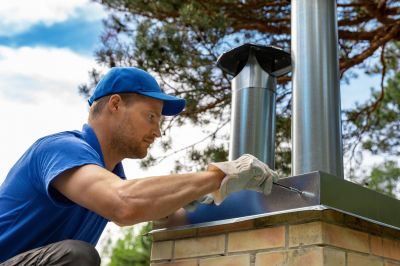
Clearly describe your chimney leak repair needs before comparing local contractors to find the best solution.
- Inspect the chimney crown and flashing for cracks or damage that could allow water intrusion. - Look for signs of deterioration or gaps in the sealing materials around the chimney structure.
- Examine the chimney cap to ensure it is intact and properly fitted to prevent water entry. - Check for rust, corrosion, or missing components that could compromise its effectiveness.
- Assess the interior of the chimney for water stains, mold, or efflorescence indicating past leaks. - Consider having local contractors evaluate the extent of any moisture damage.
- Review the chimney's exterior masonry for cracks, loose bricks, or deteriorated mortar joints. - These issues can lead to leaks if not properly repaired.
- Test the chimney’s drainage system to ensure water is directed away from the structure effectively. - Proper drainage helps prevent water buildup and subsequent leaks.
- Consult with local service providers to determine appropriate repair options for identified leak sources. - They can recommend effective solutions to restore the chimney’s water resistance.
Spring is a great time to explore local contractors who can help address chimney leak issues and refine project scope.
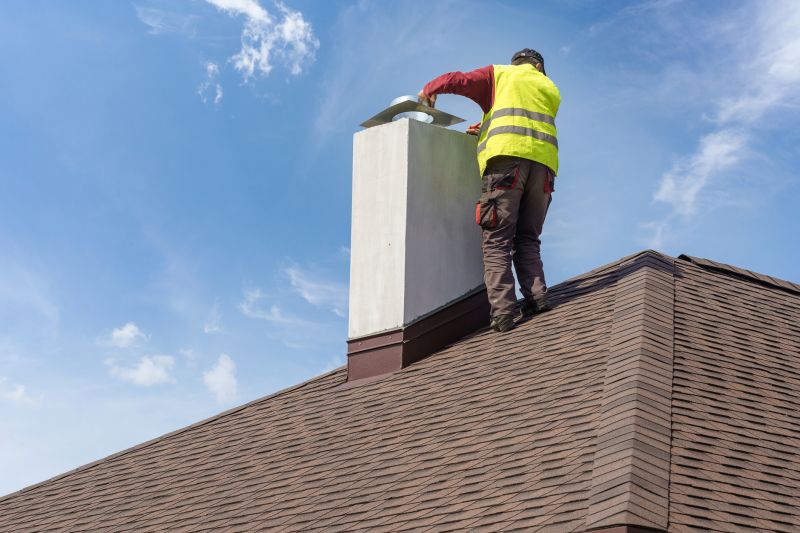
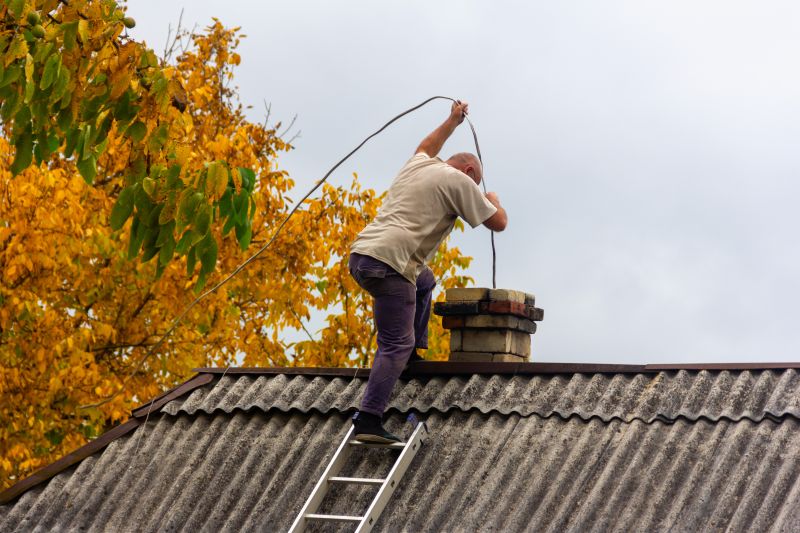
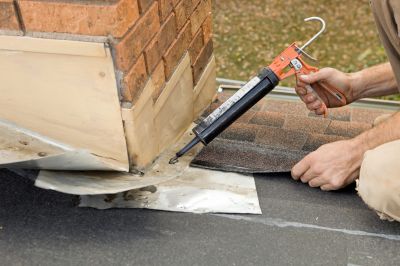
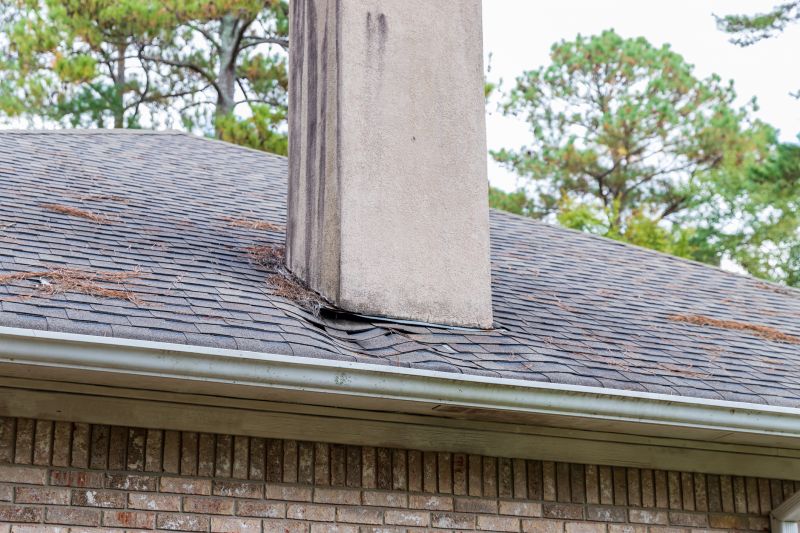
Prioritize your chimney leak repair needs and compare local contractors to find the best service providers for spring maintenance.
- Chimney Leak Inspection - Spring is an ideal time for local contractors to assess the chimney for leaks that may have developed during winter weather. Professionals can identify potential issues early and recommend necessary repairs.
- Sealant and Flashing Repairs - Repairing or replacing damaged flashing and applying sealants can prevent water from seeping into the chimney structure during spring rains.
- Chimney Crown Restoration - Restoring or repairing the chimney crown helps keep water out and prevents leaks caused by cracks or deterioration.
- Masonry Repair - Addressing cracked or crumbling masonry during spring ensures the chimney remains weather-resistant throughout the year.
- Waterproofing Treatments - Applying waterproofing coatings can provide an extra layer of protection against spring and summer moisture infiltration.
Compare local contractors specializing in chimney leak repairs to find consistent quality and reliable service providers for your spring maintenance needs.
- Identify Leak Sources - Determine whether the leak originates from the chimney crown, flashing, mortar joints, or chimney cap.
- Assess Damage Extent - Evaluate the severity of water intrusion and any resulting structural or interior damage.
- Inspect Chimney Components - Check the condition of flashing, mortar, crown, and other relevant parts for deterioration or cracks.
- Determine Repair Needs - Decide if repairs involve sealing, replacing flashing, patching mortar, or rebuilding sections of the chimney.
- Select Suitable Repair Methods - Choose appropriate techniques and materials that address the identified leak sources effectively.
When evaluating service providers for chimney leak repair during the spring season, it is important to consider their experience with similar projects. Homeowners should look for local contractors who have a proven track record of addressing chimney leaks, especially those caused by common springtime issues such as melting snow or increased rainfall. An experienced professional will understand the unique challenges posed by different chimney designs and materials, ensuring that repairs are both effective and durable. Gathering information about past projects or seeking references can help gauge a contractor’s familiarity with leak repair work in comparable conditions.
A clear, written scope of work is essential for ensuring that expectations are aligned before any repair begins. Homeowners should seek out local service providers who can provide detailed descriptions of the repair process, including the identification of leak sources, the materials to be used, and the specific steps involved. A well-defined scope helps prevent misunderstandings and provides a basis for evaluating the thoroughness of the proposed solutions. It also allows homeowners to compare different contractors’ approaches and determine which offers the most comprehensive plan for resolving the leak.
Work planning considerations play a vital role in choosing the right chimney leak repair service. During spring, weather conditions can influence the timing and logistics of repairs, so it’s beneficial to work with providers who plan their projects with seasonal factors in mind. Homeowners should inquire about how contractors schedule work around potential spring rain or fluctuating temperatures, as well as how they protect surrounding areas during repairs. A thoughtful work plan ensures that repairs are completed efficiently and with minimal disruption, making it easier to coordinate the project within the seasonal window.
When comparing options among local service providers, it is helpful to assess their approach to project management and communication. Homeowners can ask how each contractor plans to coordinate the work, what steps they take to ensure quality, and how they handle unforeseen issues that may arise during the repair process. Evaluating these aspects can provide insight into the professionalism and reliability of each provider. Since the site serves as a neutral guide, it emphasizes the importance of gathering detailed information from multiple local pros to make an informed choice based on experience, scope, and planning considerations, rather than price alone.
Ask service providers to provide written details to ensure the scope of chimney leak repairs remains clear and consistent.
- Scope of Chimney Leak Repairs - What specific repairs do local contractors recommend to address chimney leaks effectively?
- Comparison of Repair Services - How do different service providers' approaches to chimney leak repair vary in scope and methodology?
- Materials and Methods - What types of materials and techniques do local pros typically use for spring-focused chimney leak repairs?
- Extent of Leak Damage - How do local contractors assess whether a chimney leak requires minor fixes or extensive repair work?
- Repair Process Details - What steps are included in the scope of services offered by local providers for chimney leak restoration?
What causes chimney leaks during spring? Spring weather fluctuations, including rain and melting snow, can lead to chimney leaks if flashing or masonry has deteriorated over time.
How can I tell if my chimney has a leak? Signs of a chimney leak include water stains on ceilings or walls near the chimney, mold growth, or a musty odor inside the home.
What steps do local contractors take to repair chimney leaks? They typically inspect the chimney, identify the source of the leak, and perform repairs such as sealing flashing, repointing masonry, or replacing damaged components.
Are there preventative measures to avoid chimney leaks in spring? Regular inspection and maintenance, including sealing cracks and ensuring proper flashing, can help prevent leaks during seasonal changes.
What types of materials are used in chimney leak repairs? Common materials include waterproof sealants, flashing, mortar, and sometimes new chimney caps or liners to improve protection against water intrusion.
How do local service providers ensure effective chimney leak repairs? They assess the specific cause of the leak, use appropriate repair techniques, and follow best practices to restore the chimney’s integrity and prevent future issues.
This Spring Promotions page has highlighted the importance of addressing chimney leaks promptly to protect your home and maintain safe, efficient operation. Visitors have learned about common causes of leaks and the benefits of professional repair services to ensure the integrity of their chimneys. To explore options and find trusted local contractors experienced in leak repairs, use the quote form to compare different service providers in your area.
By utilizing the quote form, homeowners can easily connect with local contractors who specialize in chimney leak repair and related services. Comparing local options allows for informed decisions based on your specific needs, helping to identify the right professionals for your spring maintenance projects.
Providing clear details about your chimney leak repair needs helps local contractors understand your project and offer accurate assistance.
- Leak Detection - details about the specific areas or symptoms of the chimney leak that need assessment.
- Repair Scope - information on the types of repairs needed, such as flashing, crown, or masonry work.
- Material Preferences - preferences for repair materials or methods that the visitor might have.
- Project Details - any relevant details about the chimney or surrounding structure that can help match with suitable local contractors.